
When someone dies, their belongings are usually looked after by the executor named in their will. This is often a close family member, whose role is to keep everything safe and help carry out the person's wishes. This guide offers practical, gentle steps for that role: where to start, how to share things out fairly, and what helps when the family sees things differently.
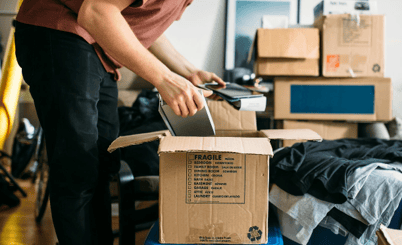
An Executor's Guide to a Loved One's Belongings
Who is responsible, and what to do if the family disagrees
The short version:
- Agree as a family who is coordinating before anything is moved or given away.
- Keep the home secure, tell the insurer it's empty, and photograph each room.
- Make a simple list of belongings and share it with everyone involved.
- Read the will, and any letter of wishes, together.
- If you disagree, slow down, try a structured way of choosing, and bring in a neutral person before things harden.
- Get professional advice early. It's normal and sensible, not a sign something has gone wrong.
In this guide: Who looks after belongings · What counts as belongings · First steps · Who decides who gets what · Valuing belongings · When the family disagrees · Missing items · When executors disagree · Where to keep belongings · Getting help · FAQs
A few plain-English terms
- Executor: the person named in a will to sort out the estate.
- Estate: everything the person owned, from their home and savings to their belongings.
- Beneficiary: someone who inherits under the will.
- Letter of wishes: a note, often kept alongside a will, explaining what the person would like to happen.
- Probate: the process of dealing with someone's estate after they die.
These are general explanations, not legal definitions.
Who usually looks after a loved one's belongings after they die?
In most cases, it's the executor named in the will, or a close relative where there's no will.
The role is one of care and responsibility, not ownership. The executor looks after the belongings on behalf of the estate. That means keeping them safe, keeping track of them and, in time, making sure they go where they should. They don't become the executor's to keep or give away as they see fit.
Who can act, and from when, depends on whether there's a will and on the law where your loved one lived. If you're not sure whether the role falls to you, the gov.uk guidance on what to do when someone dies is a good starting point, and a solicitor can confirm where you stand.
One of the most useful things a family can do early on is agree who is coordinating. Even when everyone means well, belongings moved by different people at different times are one of the most common sources of later upset. A quick conversation along the lines of "nothing leaves the house until we've made a list together" saves a lot of misunderstanding.
What do we mean by "belongings"?
Belongings are the physical things a person leaves behind, from furniture and jewellery to photographs, papers and the contents of the garden shed.
Many families find it helps to think of belongings in three loose groups: